Watermelon Juice: Step-by-Step Instructions
Instructions
- Prepare the watermelon: Cut the watermelon into cubes, removing any large seeds.
- Blend the ingredients: Add the watermelon cubes, water, lime juice (if using), and salt (if using) to a blender.
- Blend until smooth: Blend until the mixture is completely smooth and liquefied.
- Strain (optional): For a smoother juice, strain the mixture through a fine-mesh sieve or cheesecloth to remove any remaining pulp. Discard the pulp or save it for another use.
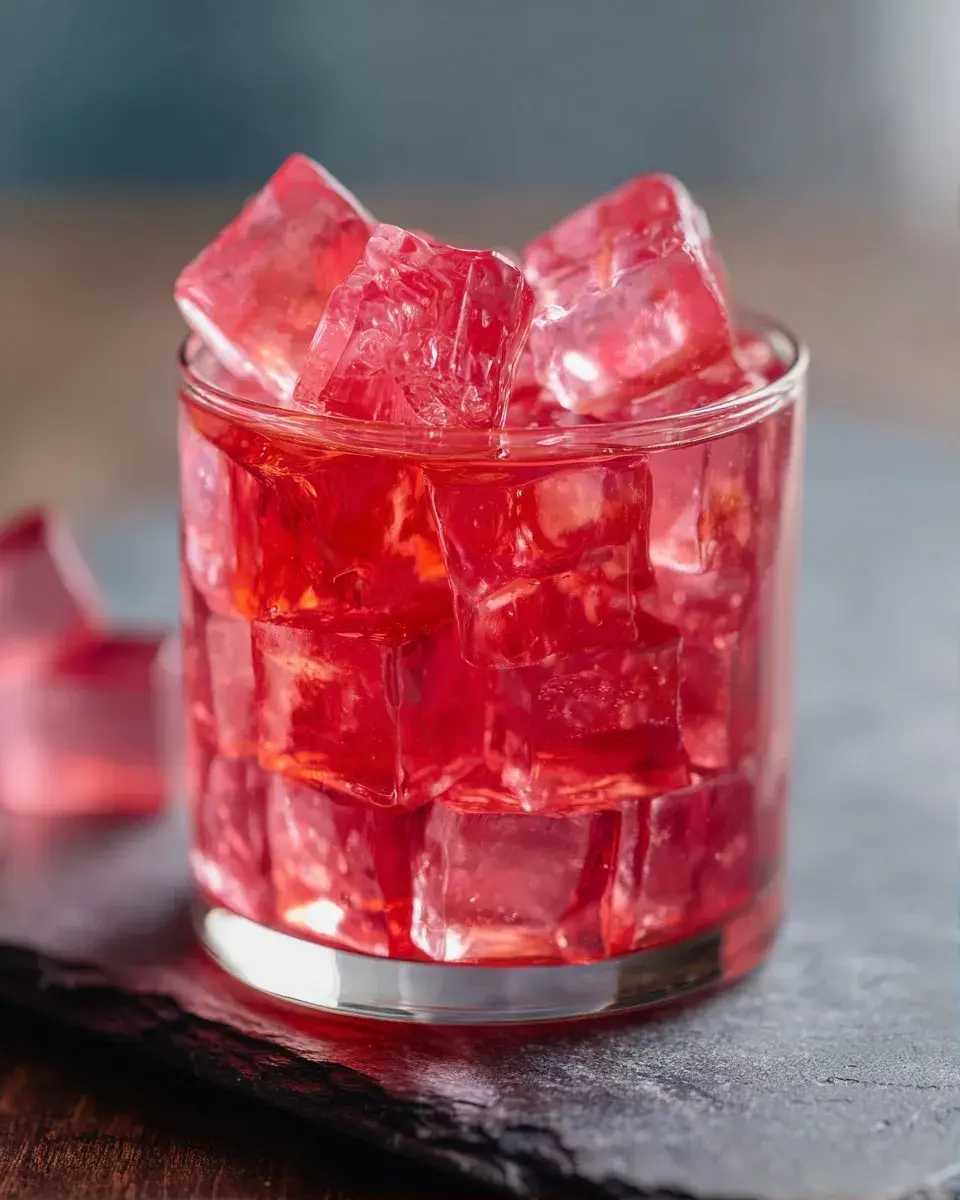
- Serve immediately: Pour the watermelon juice into glasses and serve immediately. Garnish with a wedge of watermelon or a sprig of mint, if desired.
Key Terms Explained
| Term | Explanation | Why it matters here |
|---|---|---|
| Lipogenesis | Lipogenesis is the body’s process of converting sugars and carbohydrates into fatty acids, which are then stored as body fat. It’s how your body stores excess energy. | Too much sugar from watermelon juice, combined with other carbs, could contribute to lipogenesis if you consistently eat more calories than you burn. |
| Hydration | Hydration is simply the process of maintaining adequate fluid levels in your body. Water is essential for countless bodily functions. | Watermelon is mostly water, making this juice an excellent source of hydration, especially during warm weather. |
| Macronutrients | Macronutrients are the main nutrients our bodies need: carbohydrates, proteins, and fats. They provide energy and building blocks for our bodies. | This recipe’s macronutrient breakdown shows it’s mainly carbs, with very little protein or fat, so it’s not a balanced source of all three. |
The Truth About This Recipe
The Truth About This Recipe: Watermelon juice is a delicious and hydrating treat, but it’s not a magic weight-loss potion. It’s low in calories, but it’s also mostly sugar. If you’re aiming for a calorie deficit, enjoy it in moderation and factor it into your daily calorie goals. Don’t rely on any single food or drink for weight loss; focus on a balanced diet and exercise.
Move Your Body
Enjoy your watermelon juice, then take a brisk 20-minute walk! This could burn around 100 calories (depending on your weight), helping you balance your energy intake and expenditure.
Delicious Variations
For a keto-friendly twist, this is not recommended as watermelon is high in natural sugars. For a low-carb version, use a smaller amount of watermelon and add other low-carb fruits like berries. For a Mediterranean-inspired juice, add a sprig of fresh mint and a squeeze of lemon.
Healthier Alternatives
Instead of adding sugar, enhance the sweetness naturally with a few drops of stevia or monk fruit. Opt for seedless watermelon to save time and effort. Adding a handful of spinach will increase the nutrient content without significantly altering the taste.
Serving Suggestions
Watermelon juice is a refreshing standalone beverage, perfect for hot days. Avoid pairing it with processed snacks or sugary desserts – this would overload your system with sugar. Instead, enjoy it alongside a protein-rich salad or a handful of nuts for a more balanced snack.
Storage Instructions
Store leftover watermelon juice in an airtight container in the refrigerator for up to 24 hours. The juice may separate slightly, so give it a good stir before serving. Freshly made juice is always best for optimal flavor and nutrient content.
Frequently Asked Questions
Is watermelon juice good for weight loss?
Watermelon juice can be part of a weight loss plan due to its low calorie content and hydrating properties. However, it’s not a magic bullet. Focus on a balanced diet and exercise for sustainable results.
How much watermelon juice should I drink per day?
Moderation is key. One to two servings (8-16 ounces) of watermelon juice per day is generally fine for most people. Consider your overall carbohydrate and calorie intake.
Can I use frozen watermelon?
Yes, frozen watermelon works well and creates a thicker, slushier juice. No need to add ice!
Does watermelon juice have any health benefits?
Watermelon contains vitamins, minerals, and antioxidants like lycopene. It’s also hydrating. However, juicing removes some of the fiber, so eating whole watermelon is also beneficial.
Will watermelon juice spike my blood sugar?
Watermelon juice can raise blood sugar levels due to its natural sugars. If you have diabetes or insulin resistance, monitor your blood sugar and consume it in moderation. Consider diluting the juice with water.
Conclusion
Watermelon juice is a simple pleasure, a refreshing way to hydrate and enjoy the taste of summer. Remember, it’s just one element of a healthy lifestyle. Focus on nourishing your body with a variety of whole foods, moving your body regularly, and prioritizing your overall well-being. Don’t get bogged down in restrictive diets or unrealistic expectations. Honest and sustainable habits are the key to long-term health and happiness! Now go enjoy that juice!
Related recipes: Baked Spinach Artichoke Dip with Three Cheeses, Breakfast Burritos with Egg, Cheese and Potato, Garlic Butter Chicken Thighs with Lemon, Chicken Cobbler with a Golden Biscuit Top, Chicken Gnocchi Soup with Spinach and Carrots.
Learn more: Watermelon on Wikipedia · food storage & safety (FoodSafety.gov).
◆ ◆ ◆
← Back to Watermelon JuiceGet new recipes
One tasty homemade recipe in your inbox each week. No spam, unsubscribe anytime.





Comments (10)