Bariatric Gelatin Recipe: Step-by-Step Instructions
Instructions
- In a medium-sized bowl, sprinkle the unflavored gelatin powder over the cold water. Let it ‘bloom’ for 5 minutes, allowing the gelatin to absorb the water and soften.
- Add the boiling water to the bloomed gelatin mixture. Whisk continuously until the gelatin is completely dissolved and no clumps remain. This is crucial for a smooth texture.
- In a separate bowl, whisk together the unflavored protein powder with the sugar-free liquid until smooth. Ensure there are no lumps. This helps prevent the protein from clumping when added to the hot gelatin.
- Gradually pour the protein mixture into the dissolved gelatin, whisking constantly. Add the erythritol/stevia and the purple sweet potato powder or blackberry powder. Continue whisking until everything is thoroughly combined and the mixture has a uniform, deep violet color.
- Carefully pour the mixture into an 8×8 inch glass dish or a silicone mold. Place in the refrigerator and chill for at least 3 hours, or until completely set and firm.
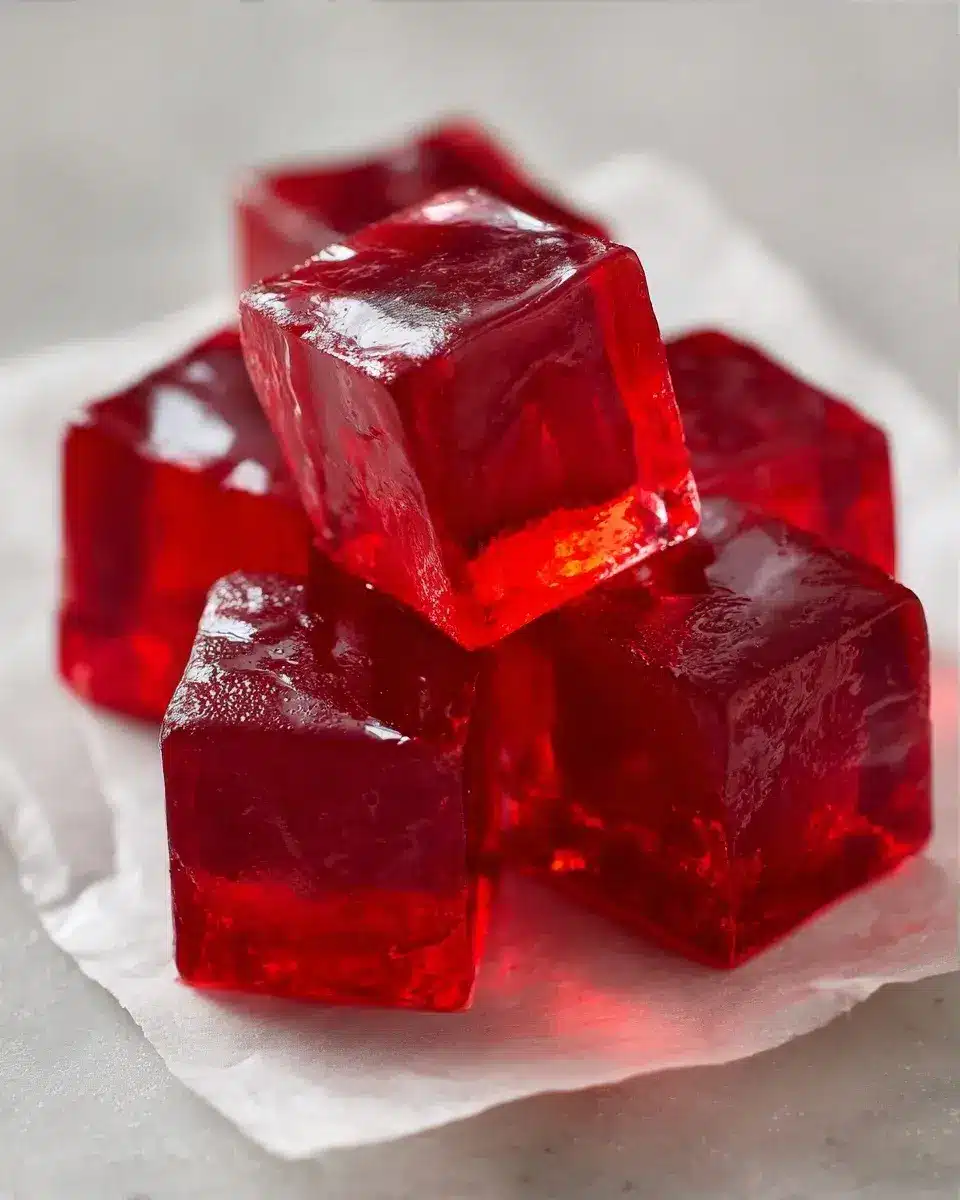
- Once firm, cut the gelatin into 6 equal portions (cubes or desired shapes). Serve cold and enjoy your high-protein, satisfying snack!
Key Terms Explained
| Term | Explanation | Why it matters here |
|---|---|---|
| Gelatin | A protein derived from collagen, it forms a gel when dissolved in hot water and then cooled. | Provides the structure and ‘jiggle’ to the cubes, while also contributing amino acids. |
| Protein Powder (Whey Isolate/Collagen Peptides) | Concentrated sources of protein, essential for muscle repair, satiety, and metabolic function. | Boosts the protein content significantly, making the snack more filling and beneficial for weight loss. |
| Erythritol/Stevia | Sugar alcohols or natural sweeteners that provide sweetness with minimal to no calories or blood sugar impact. | Allows for a sweet, satisfying taste without adding sugar or excess calories, crucial for weight management. |
| Calorie Deficit | Consuming fewer calories than your body expends, leading to the use of stored energy (fat) for fuel. | This recipe is designed to be low in calories, helping you stay within a calorie deficit for weight loss. |
The Truth About This Recipe
The Truth About This Recipe: While these bariatric gelatin cubes are fantastic for protein and satiety, they are not a ‘fat-burning food.’ No single food can magically melt away fat. Weight loss, especially after bariatric surgery, comes down to a consistent calorie deficit maintained over time, combined with adequate protein intake and mindful eating. This recipe is a tool to help you achieve that deficit by providing a satisfying, protein-rich snack that keeps hunger at bay without excess calories. It’s about smart choices, not magic.
Move Your Body
Remember, nutrition is half the equation. A brisk 30-minute walk could easily burn off the calories from two servings of these protein cubes. Find movement you enjoy – it’s crucial for overall health and sustainable weight loss.
Delicious Variations
For a Keto variation, ensure your protein powder and sugar-free liquid are strictly keto-friendly; this recipe already fits well. For a Mediterranean twist, consider using sugar-free pomegranate juice and a hint of rosewater (ensure sugar-free). For a Low-Carb version, simply ensure all added liquids and flavorings are sugar-free and low in carbohydrates. You can also experiment with different sugar-free flavor extracts like vanilla, almond, or coconut to change things up.
Healthier Alternatives
Instead of artificial sweeteners, you could use a small amount of concentrated fruit juice (like tart cherry or pomegranate, in moderation for bariatric patients) for flavor and natural sweetness, though this increases carbs and calories. For a boost in fiber, you could stir in 1-2 tablespoons of chia seeds after the mixture has cooled slightly but before setting; this would also add a unique texture. Using collagen peptides as your protein powder source provides different amino acid benefits and can be easier on some stomachs than whey isolate. Each substitution aims to enhance nutrient density or cater to specific dietary needs.
Serving Suggestions
These violet protein cubes are best served chilled as a standalone snack. They are also excellent as a post-workout protein boost or a light dessert. Pair them with a few fresh berries (if tolerated) for added antioxidants and a touch of natural sweetness. Be wary of combining them with high-fat or high-sugar items, as this can negate their low-calorie, high-protein benefits and potentially cause dumping syndrome in bariatric patients. Keep it simple and clean to support your weight loss goals.
Storage Instructions
Store your bariatric gelatin protein cubes in an airtight container in the refrigerator for up to 5-7 days. They are best enjoyed cold. Do not freeze them, as freezing can alter the texture and make them watery upon thawing. If you’ve made a large batch, you can portion them out into individual containers or portion cups to make grabbing a quick, healthy snack even easier throughout the week.
Frequently Asked Questions
Can I use flavored protein powder in this bariatric gelatin recipe?
Yes, you can! Just be mindful of the added sugars or artificial ingredients in flavored powders. If using a flavored protein, you might want to reduce the additional sweetener (erythritol/stevia) to taste. Always check the nutritional label.
Why is protein so important for weight loss and after bariatric surgery?
Protein is crucial because it helps preserve muscle mass during a calorie deficit, keeps you feeling full and satisfied for longer, and requires more energy for your body to digest compared to carbs or fats. After bariatric surgery, it’s vital for healing and preventing malnutrition.
What is the best type of gelatin to use?
Unflavored powdered gelatin is best. Look for brands that specify ‘bovine’ or ‘porcine’ if you have dietary restrictions. Collagen peptides can also be used, but may require slight adjustments to liquid ratios as they dissolve differently.
How does this recipe help with a calorie deficit for weight loss?
By being high in protein and very low in calories, these gelatin cubes provide satiety without adding significant energy to your diet. This helps you stay within your calorie target, making it easier to achieve the consistent calorie deficit needed for weight loss.
Can I make this recipe vegan or vegetarian?
Unfortunately, traditional gelatin is derived from animal collagen, so this specific recipe is not vegan or vegetarian. Agar-agar is a plant-based alternative that gels, but it behaves differently and would require significant recipe adjustments for texture and protein content.
Conclusion
There you have it: a simple, honest, and truly effective bariatric gelatin recipe. This isn’t about quick fixes or unsubstantiated claims; it’s about giving your body what it needs to support your weight loss journey. By understanding the ‘why’ behind ingredients like protein and sugar-free sweeteners, you’re not just following a recipe – you’re making informed choices for your health. Remember, sustainable weight loss is a marathon, not a sprint, built on consistent, smart decisions. You’re doing great, keep nourishing your body with intention, and remember, I’m not a doctor, but I’m here to simplify the science and share what I’ve learned.
Related recipes: knox gelatin recipe weight loss, jelly burn gelatin recipe, gelatin trick green tea fat burning, Gelatin Recipes for Weight Loss, Green Tea Gelatin Recipe for Weight Loss.
Learn more: Bariatric on Wikipedia · food storage & safety (FoodSafety.gov).
◆ ◆ ◆
← Back to Bariatric Gelatin RecipeGet new recipes
One tasty homemade recipe in your inbox each week. No spam, unsubscribe anytime.



Comments