Perfectly Roasted Asparagus Spears
↓ Jump to Recipe
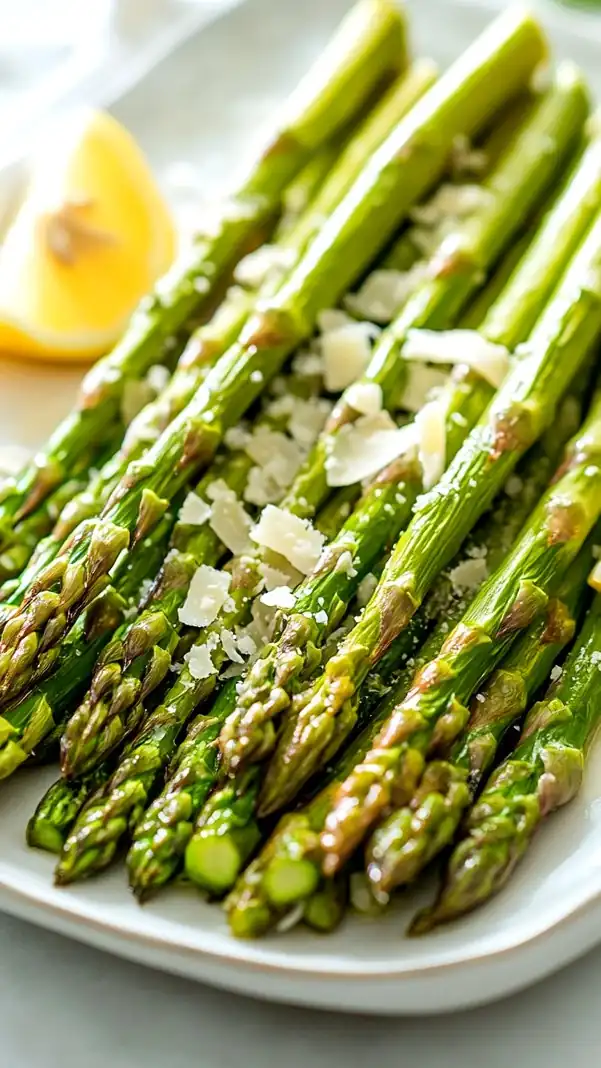
Elevate your dinner with this effortless roasted asparagus recipe. Crispy, tender, and nutritious, it is the perfect side for any meal.
Finding ways to incorporate more fresh produce into a busy weekly schedule often feels like an uphill battle. We all know that vegetables are essential for vibrant health, but the time required to prep them can turn even the most well-intentioned cook away from the produce aisle. This refined, straightforward technique transforms simple stalks into a culinary highlight that requires almost no active effort.
When you master the art of high-heat roasting, you unlock a depth of flavor that steaming or boiling simply cannot replicate. By utilizing the natural sugars within the vegetable, we create a caramelized exterior while maintaining a satisfying, crisp-tender center. This approach turns a humble green stalk into something truly crave-worthy, proving that you do not need complex sauces or lengthy cooking times to produce restaurant-quality results in your own home.
Whether you are planning a Sunday feast or a quick Tuesday night dinner, this method is designed to fit seamlessly into any rhythm. It relies on the inherent quality of the ingredients and precise heat management, ensuring you get the most out of your market haul. Let us look at how to get these perfectly roasted spears on your table with minimal stress and maximum satisfaction.
Table of Contents
The Science of High Heat Roasting
The secret to a successful roast lies in the Maillard reaction, a chemical process that occurs when proteins and sugars are subjected to intense heat. By setting your oven to a robust four hundred degrees, you are creating an environment where the asparagus develops a savory brown crust while the interior remains succulent. This balance is crucial; if the heat is too low, the vegetable will steam in its own moisture rather than caramelizing, leading to a limp and unappealing texture.
Furthermore, the use of fat is not just for flavor, it serves as a conductive medium that ensures heat is evenly distributed across every inch of the stalk. Choosing a high-quality fat helps protect the exterior from scorching while facilitating the absorption of fat-soluble vitamins. It is a harmonious marriage of chemistry and culinary intuition that turns a basic plant into an elevated dining experience.
Selecting and Your Produce
For the best results, look for firm stalks that stand upright in the market display with tight, compact tips. Avoid any that appear shriveled or have soft, damp spots. While some cooks prefer thin stalks, medium-thickness ones are generally the most forgiving, as they offer enough substance to withstand the heat without turning to mush before the exterior achieves that delightful golden finish.
The most important part of your preparation is the trimming process. The woody base of the plant is fibrous and unpleasant to chew, so finding the natural snap point is key. Simply bending each stalk until it breaks naturally ensures that you are discarding only the inedible portion, leaving you with tender, flavorful stems that cook at a uniform rate. Once trimmed, ensuring they are completely dry before tossing them with oil will prevent them from steaming, which is a common pitfall for many home cooks.
Ingredients You Will Need
Perfectly Roasted Asparagus Spears
Elevate your dinner with this effortless roasted asparagus recipe. Crispy, tender, and nutritious, it is the perfect side for any meal.
Ingredients
Instructions
- Set your oven to preheat to four hundred degrees Fahrenheit.
- Thoroughly wash the stalks and remove the woody bottom sections by snapping them off.
- Place the prepared stalks into a large mixing bowl and drizzle them with the olive oil, then sprinkle with the sea salt.
- Use your hands or a pair of tongs to toss everything until the stalks are evenly coated in the oil and seasoning.
- Arrange the stalks in a single layer on a standard baking sheet, being careful not to overcrowd them.
- Slide the sheet into the center of the oven and roast for eight to twelve minutes, checking for a tender-crisp texture.
- Remove from the heat and plate immediately, adding a squeeze of fresh lemon if desired.